
Brocom News Network | International Desk
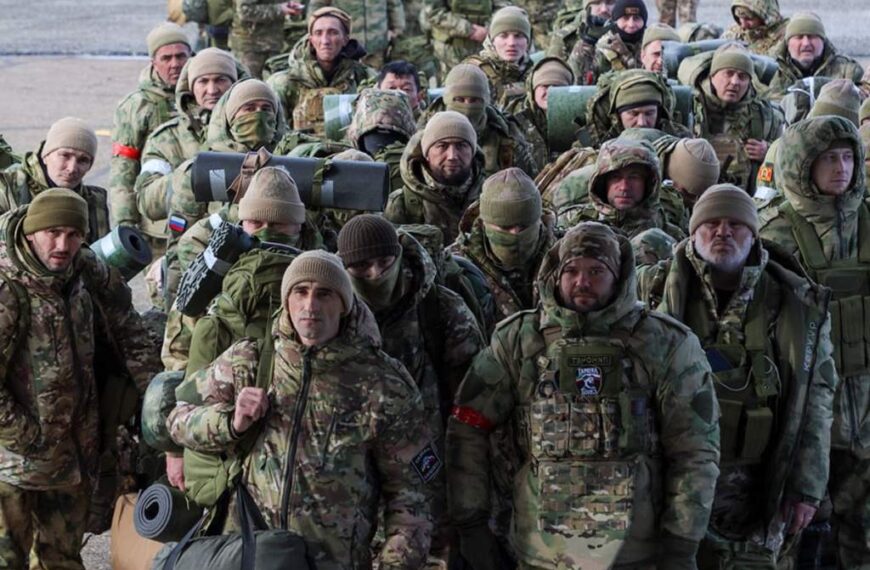
Tensions in the Middle East remain high as diplomatic efforts continue to prevent further escalation following recent military exchanges and political disagreements involving regional powers. The international community is closely monitoring the situation amid concerns over regional security and global energy supplies.
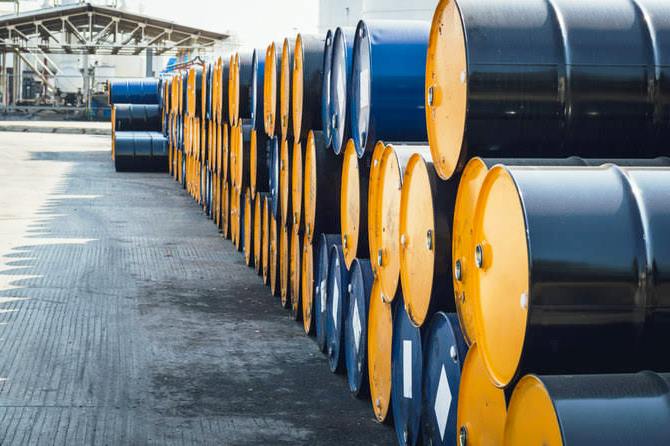
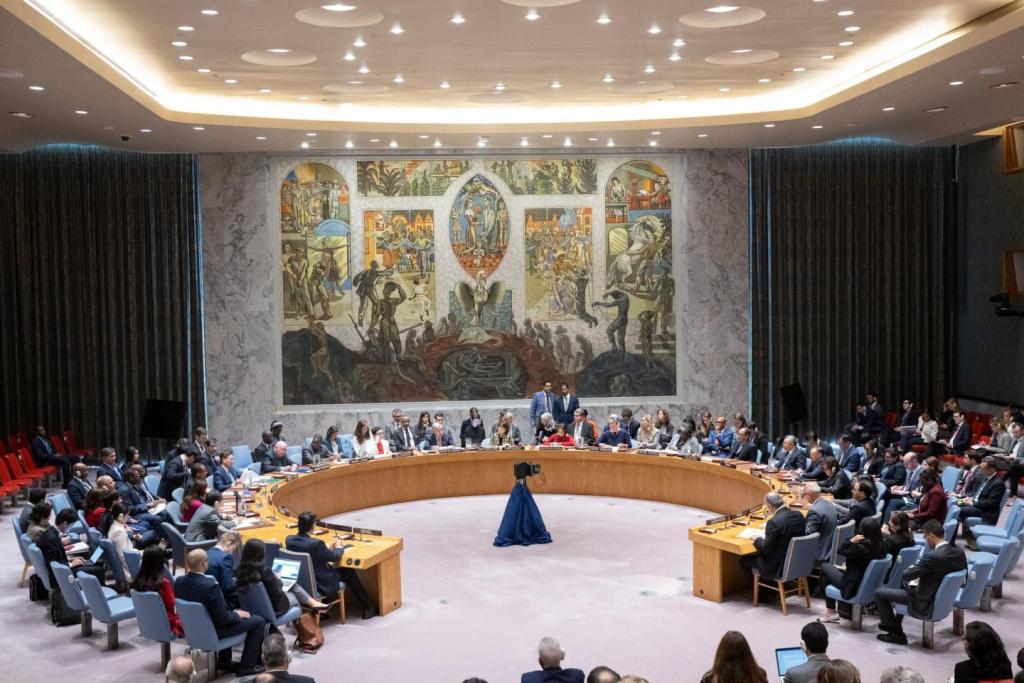
The United Nations, along with several countries including the United States, European Union, and Gulf nations, has called for restraint and renewed dialogue to avoid a wider conflict. The Strait of Hormuz, one of the world’s most important oil shipping routes, remains under close watch due to its significance for global energy markets.
Security analysts say prolonged instability in the region could impact international trade, oil prices, and global economic growth. Governments have also advised their citizens to follow official travel advisories and avoid conflict-affected areas.
Key Highlights
- Diplomatic efforts are underway to ease tensions in the Middle East.
- Global leaders have urged all sides to avoid further military escalation.
- The Strait of Hormuz remains a key area of concern for global oil supplies.
- Continued instability could affect energy prices, international trade, and regional security.


 By
By