
Brocom News Network | International Desk
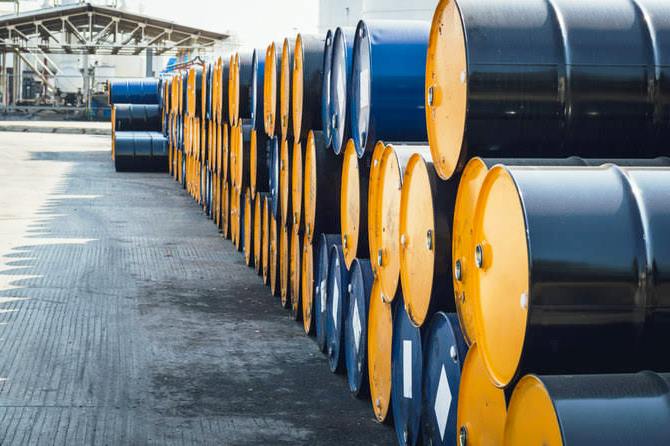
Global oil prices climbed sharply this week as growing geopolitical tensions in the Middle East heightened fears of potential disruptions to global crude oil supplies. The Brent crude benchmark traded above $90 per barrel, while West Texas Intermediate (WTI) also posted significant gains amid concerns over shipping security and regional stability.
Market sentiment has been driven by increased military activity near the Strait of Hormuz, a strategic waterway through which nearly one-fifth of the world’s oil supply passes. Any disruption to shipping through the strait could have a major impact on global energy markets and fuel prices.
Analysts say uncertainty surrounding oil exports from the region has prompted investors to seek safer assets, pushing energy prices higher. Rising crude prices may also translate into higher petrol, diesel, and transportation costs in many countries if the trend continues.
Oil-importing nations, including India, are closely monitoring developments, as sustained price increases could put pressure on inflation, government fuel subsidies, and economic growth.
Despite the recent surge, energy experts note that market prices will largely depend on geopolitical developments, production decisions by major oil-producing countries, and the stability of international shipping routes in the coming weeks.
Key Highlights
- Brent crude rose above $90 per barrel.
- Concerns over shipping through the Strait of Hormuz boosted prices.
- Geopolitical tensions have increased uncertainty in global energy markets.
- Higher crude prices could lead to increased fuel costs worldwide.
- Governments and investors continue to monitor developments closely.


 By
By